Discover how real-time debris tracking is transforming space safety. Our in-orbit technology delivers the insights you need to protect your assets and keep operations running smoothly.
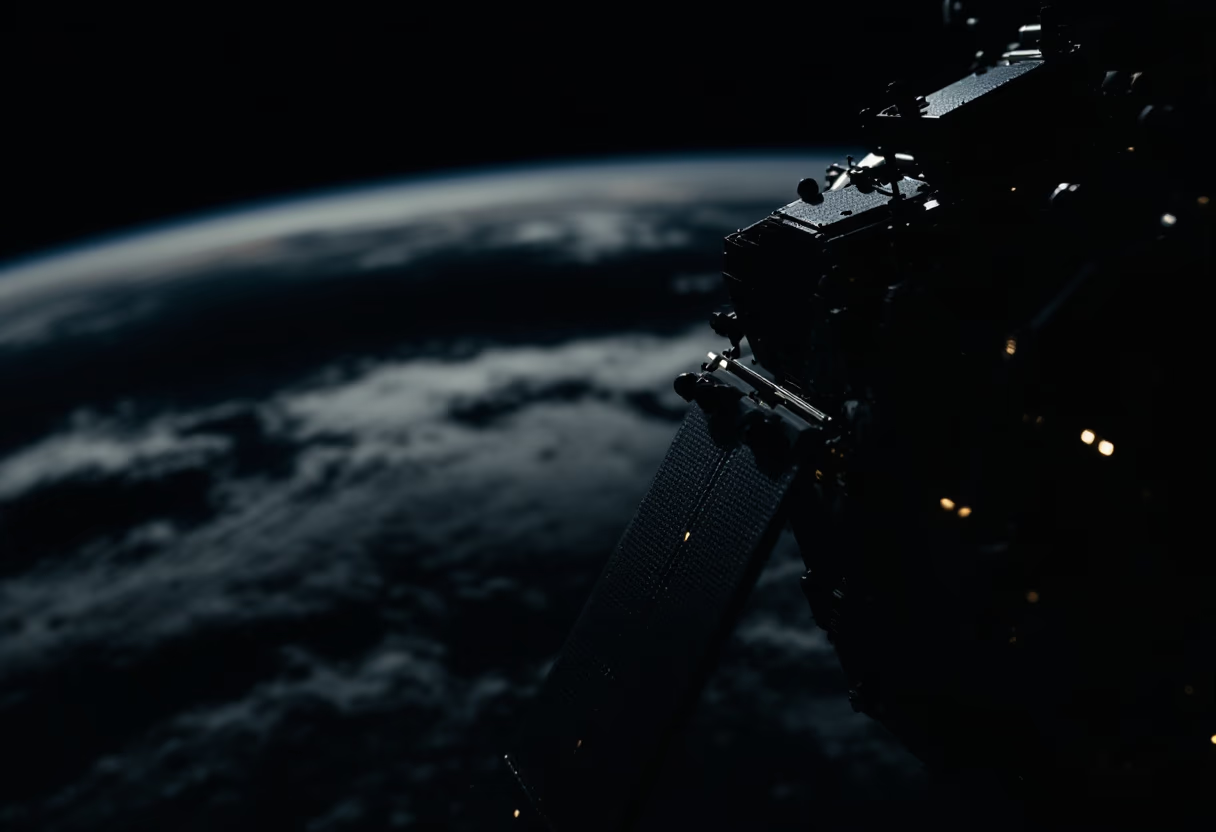
Gain real-time insight into small orbital debris with in-orbit detection. Empower your satellite operations with precise, actionable data—no uncertainty, just clarity.
View Video Pitch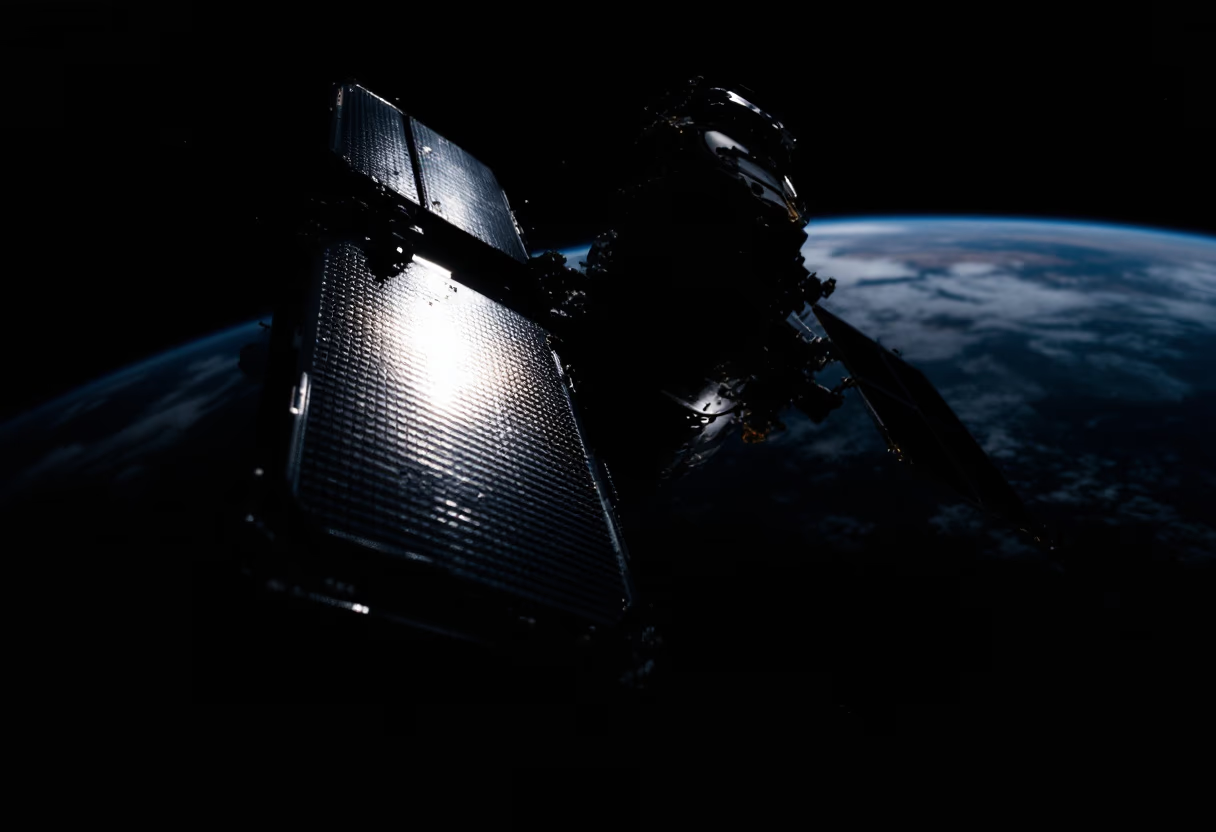




![[interface] image of a screenshot of a learning module (for an edtech)](https://cdn.prod.website-files.com/694a1cc5882bb55e9a2477fb/694a1df591523644ab90e46a_a23fe13c-1808-41da-a2eb-b0e964e36dc1.avif)


![[background image] retail setting (for a tech gadgets store)](https://cdn.prod.website-files.com/694a1cc5882bb55e9a2477fb/694a1df6b7268983e0f18dd4_8ffcc575-05e1-4929-83ac-abadcf7c4db1.avif)
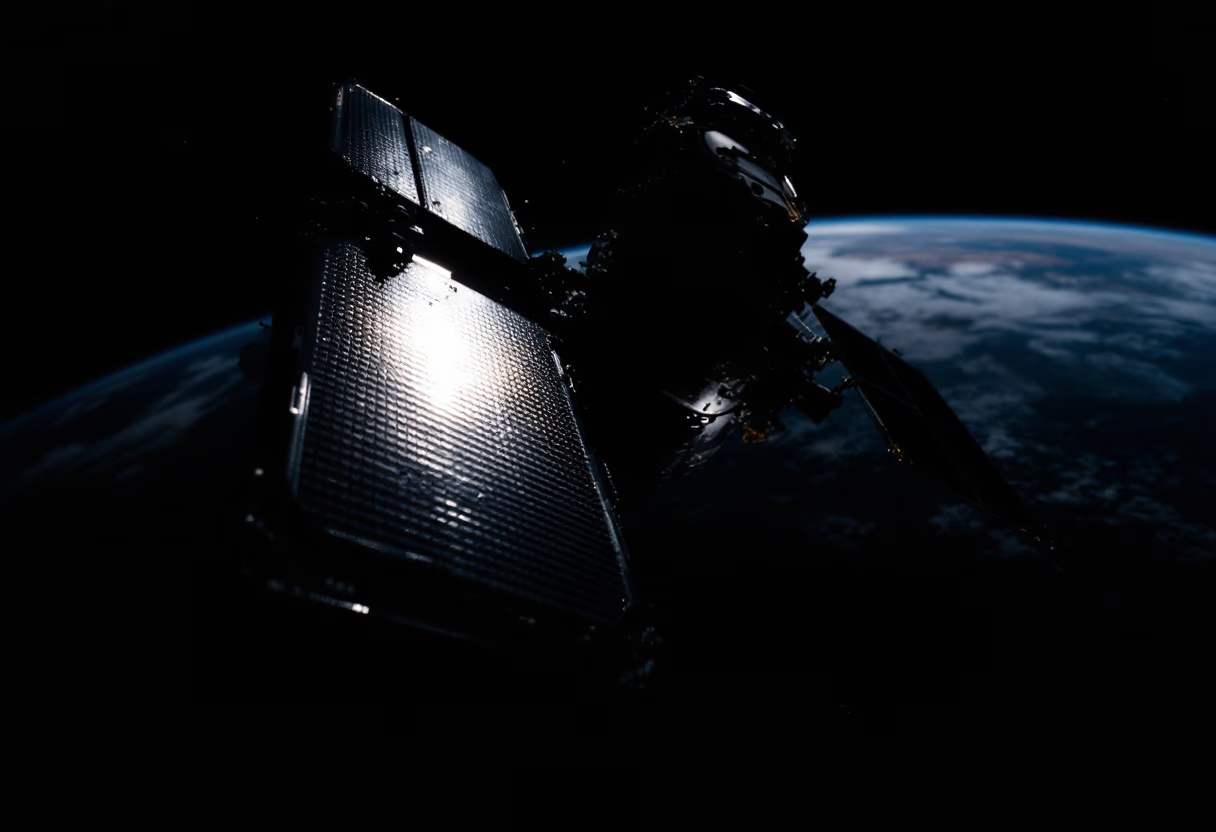
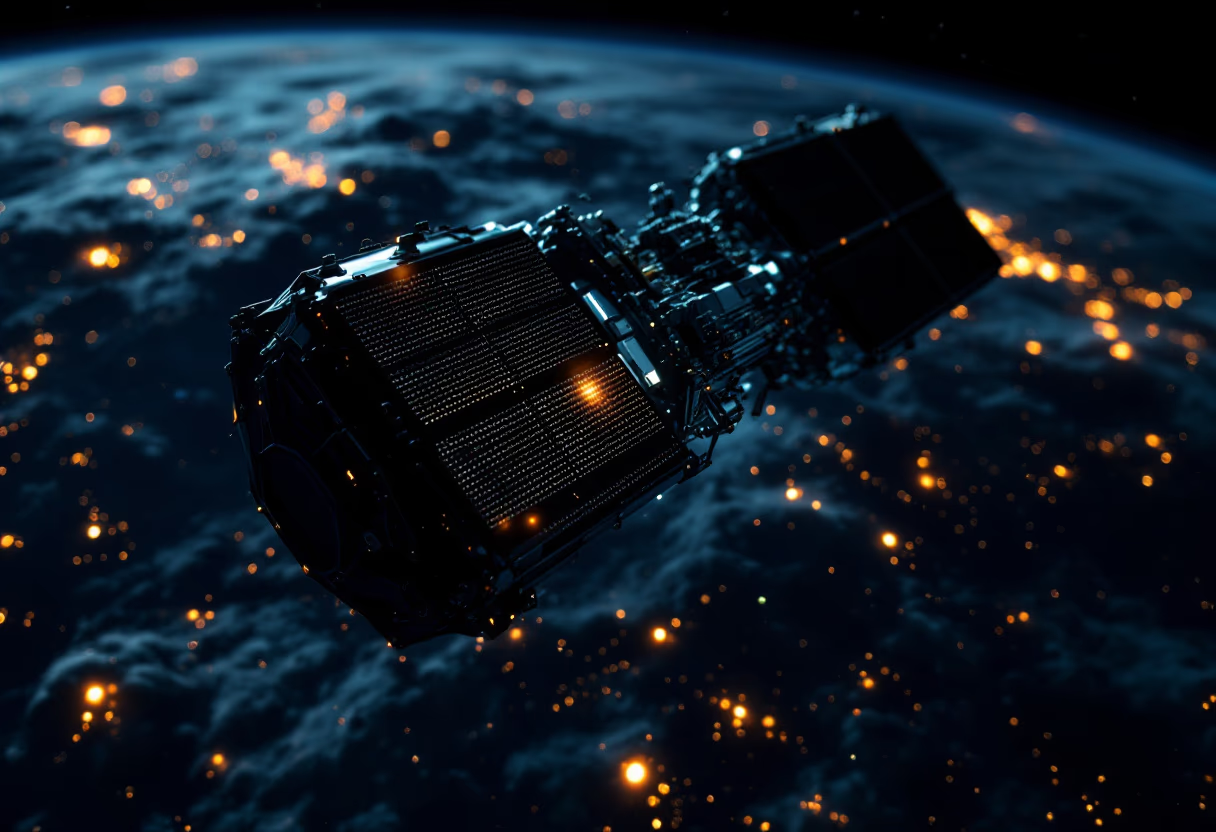
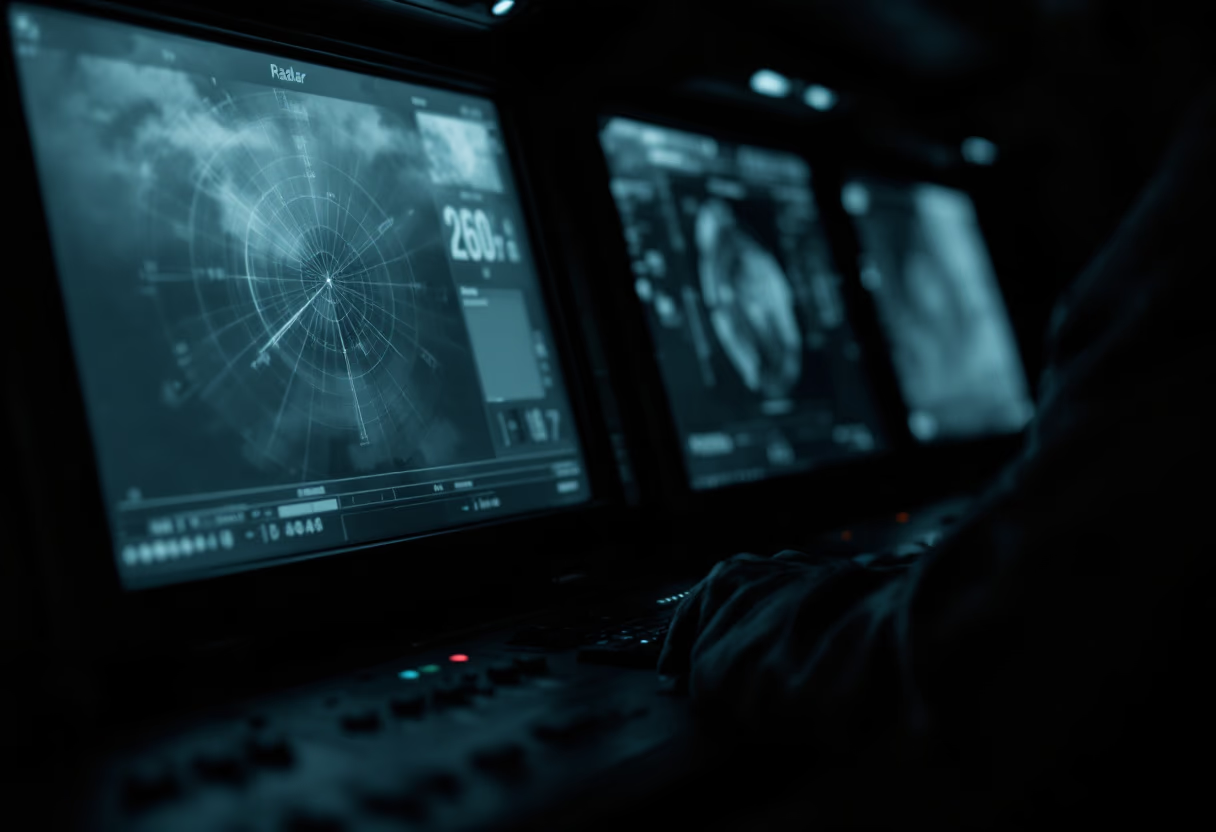
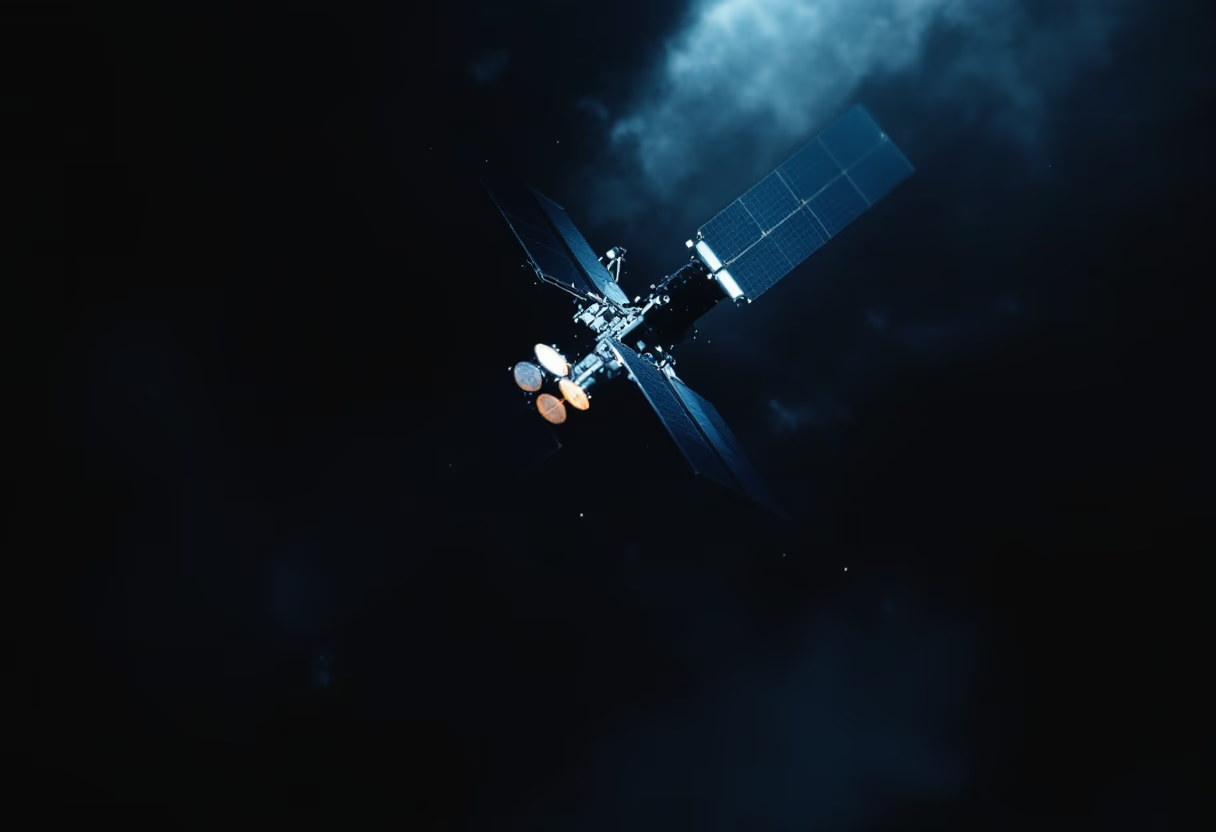
Our satellite fuses optical, radar, and laser data to spot debris invisible to ground-based systems. Get real-time, high-precision tracking for safer operations.
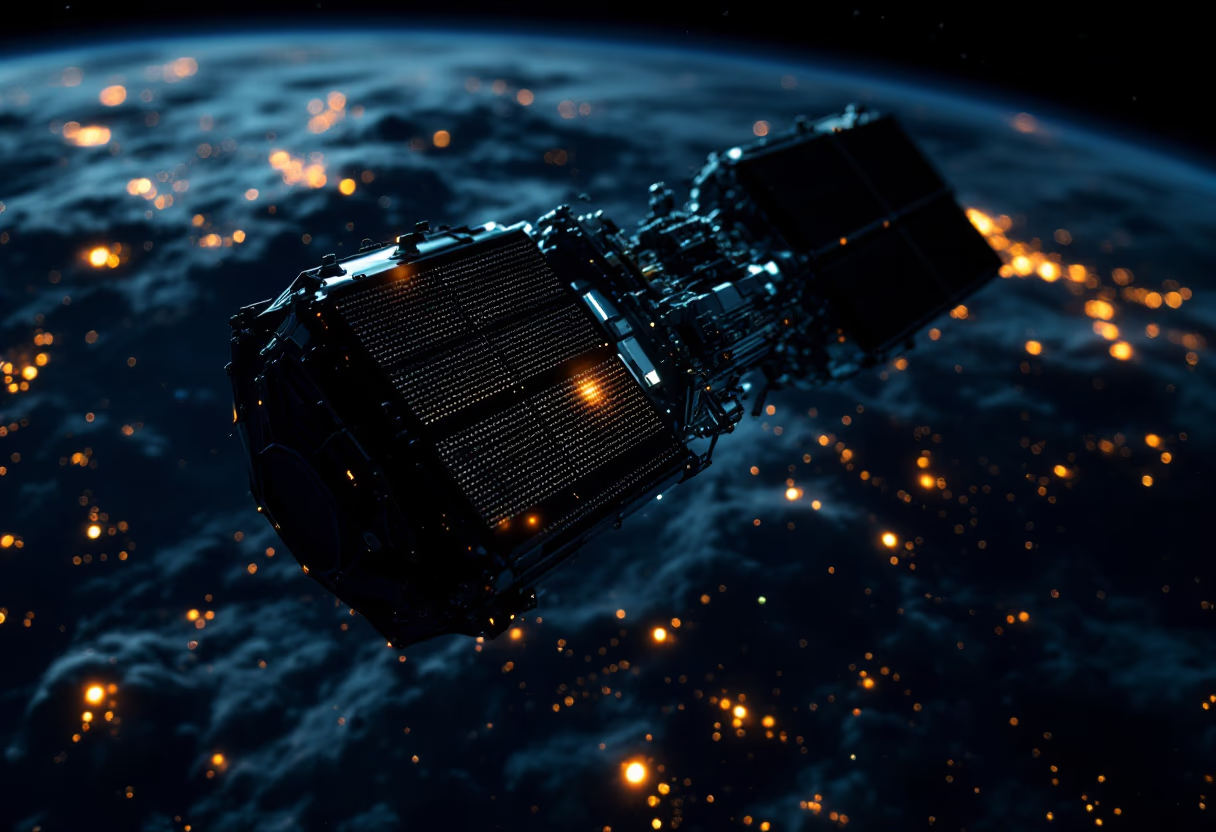
Receive actionable debris data as it happens. Minimize risk, optimize maneuvers, and extend satellite lifespan with up-to-the-minute orbital awareness.

Access detailed debris maps and analytics tailored to your mission. Make informed choices, reduce insurance costs, and protect your assets in space.
In this rapidly-changing world, innovation has become the backbone to survival, key to human existence. A current issue that hasn’t been discussed enough is space debris pollution. Space debris pollution, if left unchecked, can pose massive risk to telecommunication networks and space missions. With Cassiopeia, we aim to keep our orbits and the systems that rely on it safe through reliable debris tracking.
Low Earth Orbit is becoming increasingly congested as thousands of operational satellites now share orbital space with millions of debris objects. This debris includes defunct satellites and fragments in the 1–10 cm size range, which are especially dangerous due to their abundance and high orbital velocities. As satellite constellations continue to expand, the probability of collision in LEO is rising rapidly.
Current space situational awareness systems can reliably track large debris objects, but small debris remains largely undetectable due to limitations in sensor resolution, coverage, and tracking precision. Ground-based radar and optical systems are not designed to consistently detect debris in the 1–10 cm range, despite these objects traveling at velocities capable of causing catastrophic damage to operational satellites. This detection gap forces operators to rely on incomplete data, increasing operational risk.
Each collision between debris and satellites generates additional fragments, increasing the density of debris in orbit and raising the likelihood of further collisions. This runaway cascade, known as the Kessler Syndrome, poses a fundamental threat to the long-term sustainability of Low Earth Orbit. Without improved detection and tracking of small debris, future space operations—including communications, navigation, and Earth observation—face increasing risk of disruption or failure.
Have questions about space safety or our debris detection solutions? Reach out for tailored support, partnership opportunities, or technical guidance. Our team is here to help you navigate the challenges of modern space operations.
Contact us
![[interface] image of cloudbased solutions interface (for a hr tech)](https://cdn.prod.website-files.com/image-generation-assets/a3e7de5c-9053-4ffd-be74-519cfd77cc1a.avif)



![[background image] image of construction equipment (for a construction company)](https://cdn.prod.website-files.com/image-generation-assets/cbbd465e-87f6-40c3-a303-db25d06aa76f.avif)
![[interface] image of a computer showcasing educational software (for a edtech)](https://cdn.prod.website-files.com/image-generation-assets/4f03357b-3643-45d4-8090-85d1f1ea24e1.avif)
.avif)